Rizztalk
Anonymous Random Voice Chat with Strangers
Overview
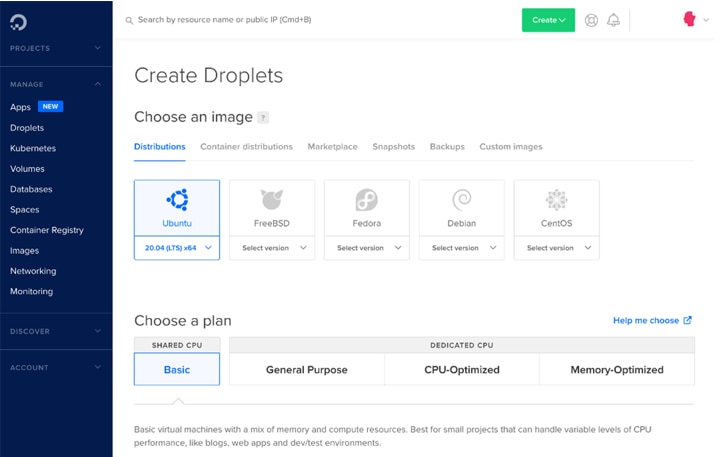
Rizztalk is a real-time, audio-only chat platform that anonymously connects strangers through one-click voice calls. The system pairs online users using a Redis-backed matchmaking queue, creates peer-to-peer WebRTC audio connections, and delivers everything through a clean, mobile-friendly interface. The entire backend was configured from scratch on a DigitalOcean droplet, including Nginx, SSL, Redis, Node services, and deployment pipelines.
Goals
- Create an anonymous, audio-only alternative to Omegle with zero friction
- Implement a real-time matchmaking system using Redis + Socket.io
- Build peer-to-peer audio calling entirely in the browser using WebRTC
- Design a minimal, intuitive interface with a single action flow
- Deploy a full production environment manually on a fresh Linux server
- Track real traffic and behavior through analytics and SEO optimization
Problem
Most random chat platforms are overloaded with unnecessary UI, video streaming requirements, or login walls. Rizztalk focuses on a pure one-click experience: join, talk, skip, repeat. Building the entire backend infrastructure manually also provided deep experience in real deployment, not just local prototypes.
Links
Tech Stack
Responsibilities
- Product concept, flows, and interaction design
- Full implementation of backend WebRTC signaling with Socket.io
- Design of the Redis-based waiting room and pairing algorithm
- Frontend UI for call controls, presence indicator, and navigation
- Responsive layout with hamburger menu and container card UI
- Server provisioning on DigitalOcean (Ubuntu setup from scratch)
- Installing Redis, Node, Nginx, firewall configuration, SSL, PM2
- Testing, debugging, and load verification for concurrent usage
Timeline
1 Week
Deliverables
7
The Idea & User Experience
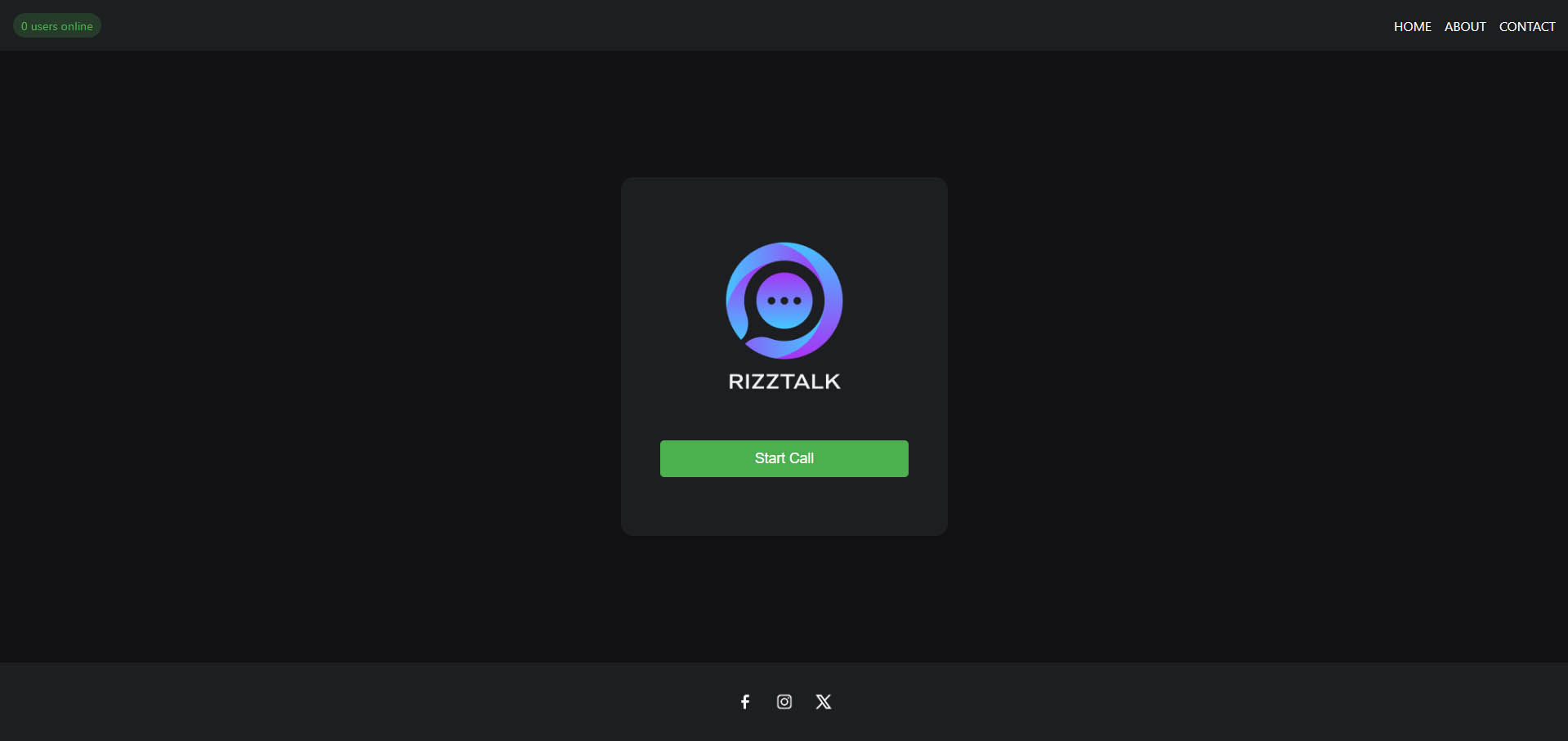
Rizztalk is intentionally minimal: a single action to start talking to a stranger. No signups, no profiles, no camera. The UI revolves around a central panel with Start and Skip buttons, a live online user counter, and fast feedback about call states. Supporting pages like About and Contact help anchor it as a legitimate product rather than a demo.
Redis Matchmaking Queue
Redis is used to store a set of users waiting for a call. When someone clicks Start, the backend attempts to randomly pull another waiting user from the pool. If none are available, the user is added to the waiting list. This design keeps the system stateless on the Node layer, allowing for easy scaling and extremely fast lookups.
Socket.io Signaling Layer
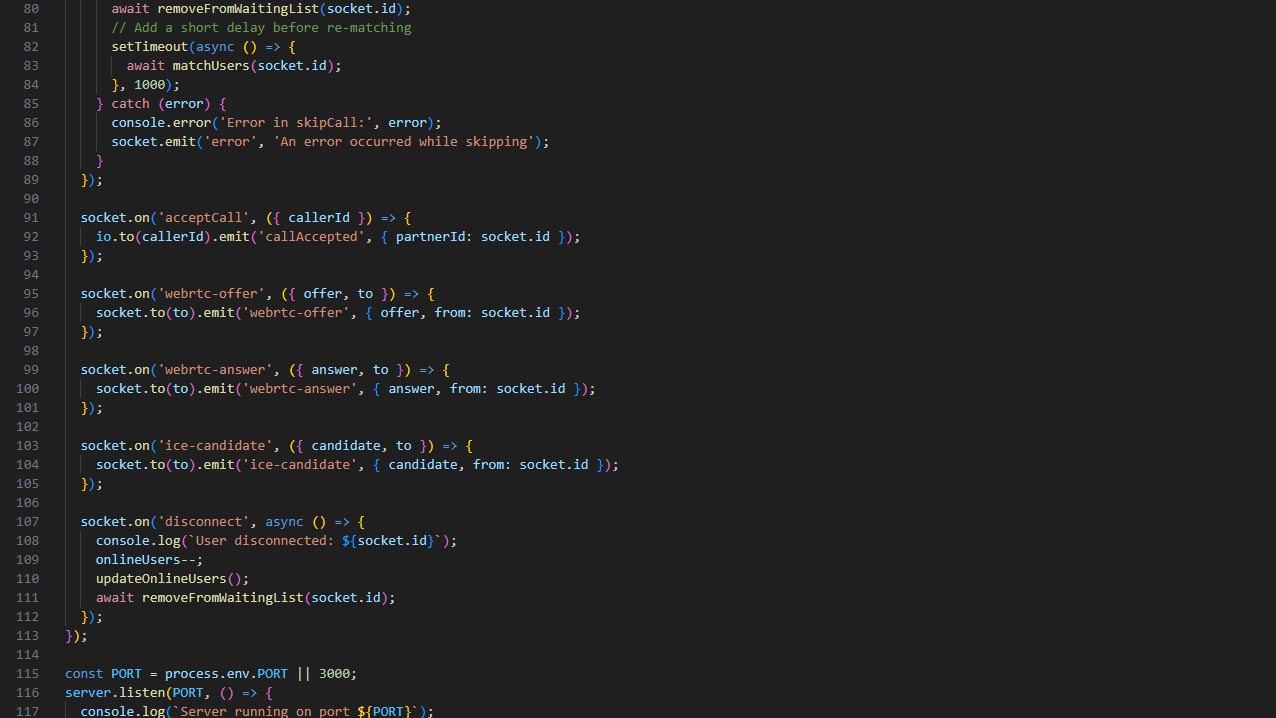
All WebRTC signaling—offers, answers, and ICE candidates—flows through Socket.io. This lets users discover each other instantly and establishes the p2p channel with almost no delay. Events like startCall, skipCall, and updateOnlineUsers maintain a smooth real-time experience.

WebRTC Audio Call Pipeline
Once matched, browsers exchange SDP offers and ICE candidates through the server, then create a direct WebRTC audio track connection. The app automatically attaches the remote track to a dynamically generated <audio> element, creating an instant voice-only call with no video overhead.

Frontend UI & Mobile Experience
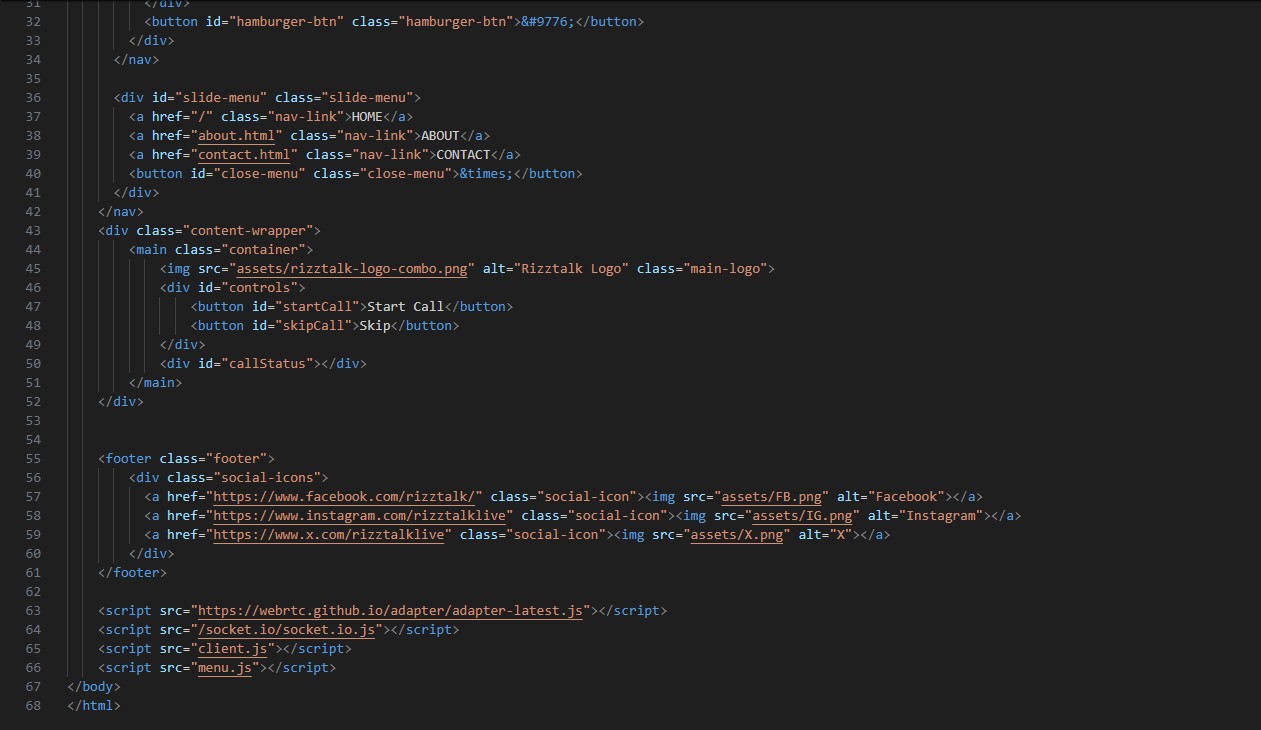
Built with pure HTML, CSS, and vanilla JavaScript, the frontend keeps the experience clean and app-like. A dark, centered container holds all actions. Mobile users get a slide-in hamburger navigation. All pages include SEO-rich content targeting high-demand 'chat with strangers' keywords.
DigitalOcean Deployment & Server Setup
The entire production environment was built manually on a fresh Ubuntu droplet. This included installing Node, Redis, UFW firewall rules, SSL certificates via Certbot, PM2 for process management, and Nginx as a reverse proxy. This gave full control over performance, networking, and reliability—unlike typical one-click hosting.
Media Gallery

Builder Notes
Hosted on a fully custom DigitalOcean droplet setup from scratch.
Hosted on a fully custom DigitalOcean droplet setup from scratch.
Nginx reverse proxy handles secure routing to the Node server.
Nginx reverse proxy handles secure routing to the Node server.
PM2 ensures the WebRTC signaling backend stays always online.
PM2 ensures the WebRTC signaling backend stays always online.
Redis waiting set creates a scalable, low-latency matchmaking flow.
Redis waiting set creates a scalable, low-latency matchmaking flow.
Audio-only design reduces friction and makes calls faster and lighter.
Audio-only design reduces friction and makes calls faster and lighter.
Uses no frontend frameworks — pure HTML/CSS/JS for maximum speed.
Uses no frontend frameworks — pure HTML/CSS/JS for maximum speed.
Real-time online presence tracking powered by Socket.io.
Real-time online presence tracking powered by Socket.io.
SEO-rich landing pages boost organic discovery via intent keywords.
SEO-rich landing pages boost organic discovery via intent keywords.